
Woodworm Species Found in Irish Homes and How to Identify Them
How to Identify Woodworm Species in Ireland
The main woodworm species in Ireland are the Common Furniture Beetle, Deathwatch Beetle, House Longhorn Beetle and Powderpost Beetle. You can usually tell them apart by the size and shape of the exit holes, the texture of the bore dust and the type of timber affected, whether that is pine roof timbers in Dublin or old oak furniture.
This guide explains what each beetle leaves behind, which timbers it prefers, how to tell fresh activity from old damage and why identifying the species matters before any treatment is chosen. If you want to see how we deal with affected timber, our woodworm treatment services page explains the methods we use.
Why the Type of Woodworm Matters
Woodworm is a catch-all name for the larvae of several wood-boring beetles. The adult beetles do little harm themselves. It is the larvae, tunnelling inside the timber for years, that weaken it. Each species has its own preferences for timber type, moisture and age, and that changes both how serious the problem is and what treatment makes sense.
That is why every inspection we carry out starts with identification. Of the woodworm species in Ireland, some attack sound softwood, some need decayed hardwood and some only go for new timber. A neat scatter of small holes in a softwood rafter calls for a different response than larger holes in a damp oak beam, and some old holes need no treatment at all because the beetles left decades ago. You can read more about how infestations develop in our guide to woodworm and how it spreads.
Common Furniture Beetle in Irish Homes
The Common Furniture Beetle (Anobium punctatum) is the best known of the four, and the Property Care Association describes it as the most common wood-destroying insect in UK buildings. Despite the name, the Natural History Museum identification guide notes that it does more damage to structural timber and joinery, such as roof timbers, than to furniture.
How to recognise furniture beetle
- Exit holes are small and round, roughly 1.5 to 2mm across.
- Bore dust feels gritty, like fine sand, and is made of tiny lemon-shaped pellets.
- Timber attacked is the sapwood of both softwoods and hardwoods, along with old plywood made with animal glue.
- Adult beetles are dull reddish to dark brown, only 2.5 to 5mm long, with a humped thorax that hides the head.
The larvae spend around three to five years feeding inside the wood before emerging as adults, mostly in spring and early summer. English Heritage guidance notes that eggs and young larvae do not survive in timber below about 12% moisture content, which is why damp, poorly ventilated spaces are at greater risk. Roof spaces are a classic location, and we cover them in detail in our article on spotting woodworm in attic timbers.
Deathwatch Beetle and Decayed Hardwood
The Deathwatch Beetle (Xestobium rufovillosum) is larger, at around 5 to 9mm long, and dark brown with patches of golden hairs. It is closely linked with older buildings, churches and heritage properties with large oak timbers, because it strongly prefers hardwood that has already been softened by fungal decay. The Property Care Association notes that timber free from decay is rarely, if ever, attacked.
- Exit holes are round and about 3mm across, noticeably bigger than furniture beetle holes.
- Bore dust contains small bun-shaped pellets, a reliable way to tell this species apart.
- Timber attacked is mainly decayed oak and other hardwoods, usually where there has been long-term damp.
The beetle is named after the tapping sound adults make on the timber in spring as part of their courtship. Adults usually emerge from April to June, and the larval stage typically lasts four to five years but can stretch to ten. Because decay drives this species, any treatment has to go hand in hand with finding and fixing the source of moisture.
House Longhorn Beetle and Powderpost Beetle
House Longhorn Beetle
The House Longhorn Beetle (Hylotrupes bajulus) is a large beetle, roughly 15 to 20mm long, whose larvae feed in the sapwood of softwoods, including roof timbers. Its exit holes are oval rather than round, and its tunnels are packed with cylindrical bore dust. It can seriously weaken structural timber, but it is rarely recorded in Britain, where infestations have mostly been confined to parts of Surrey. It can arrive in imported timber or furniture, so oval holes in softwood should always be checked by a specialist.
Powderpost Beetle
Powderpost Beetles (Lyctus species) attack only the starchy sapwood of hardwoods such as oak, ash, elm and sweet chestnut, and only while the timber is unseasoned or recently dried. Old, well-seasoned wood is not affected. The giveaway is very fine, flour-like dust, softer than the gritty dust of furniture beetle, often filling exit holes of about 1.5mm. The life cycle can be completed within a year, with adults emerging between May and September, so activity tends to appear in relatively new hardwood furniture, beams or joinery.
Woodworm Exit Holes and Bore Dust Compared
When you find holes in your timber, a few simple checks will narrow down the likely culprit. Use a good torch and look closely, ideally in spring or summer when adults emerge.
- Measure the holes. Round holes of 1.5 to 2mm point to furniture beetle or powderpost beetle, round holes of around 3mm suggest deathwatch beetle and oval holes suggest house longhorn.
- Rub some dust between your fingers. Gritty dust suggests furniture beetle, bun-shaped pellets point to deathwatch beetle and flour-like powder suggests powderpost beetle.
- Note the timber. Softwood roof timbers suit furniture beetle, decayed oak suits deathwatch beetle and newer hardwood suits powderpost beetle.
- Look for freshness. Sharp-edged holes with pale wood inside and small piles of fresh dust beneath can indicate recent emergence, while dark, dirty holes are often old.
- Check for damp. Staining, musty smells or soft timber point to moisture, which encourages both furniture beetle and deathwatch beetle.
Be careful about drawing firm conclusions on your own. Old bore dust can be shaken out of historic holes by vibration, for example from footsteps on floorboards, and beetles can keep emerging for some time after an infestation has started to die out. A few holes do not always mean an active problem, and a lack of dust does not always mean it has stopped.
Getting Woodworm Species Identified in Dublin
Correctly naming the beetle is the first step towards the right treatment. For an established furniture beetle infestation in roof timbers, we often recommend our high-pressure treatment, which drives the product deep into the timber to reach larvae below the surface. For lighter activity or delicate items, a carefully applied surface treatment may be all that is needed. Where deathwatch beetle is involved, controlling damp is as important as treating the wood.
We are based in Dublin and work with homeowners, landlords and property professionals across the county and nationwide. Our IPCA-certified technicians identify the species, confirm whether activity is current or historic, and explain exactly what needs to be done and why. In many cases we can give a free estimate over the phone once you describe what you have found.
Most woodworm species found in Irish homes can be identified from their exit holes, bore dust and the timber they choose, and the Common Furniture Beetle is the most common of the four. Keeping timber dry and well ventilated is the best long-term prevention, and an accurate diagnosis means you only pay for the treatment you actually need.
If you have found holes or dust in your timber and want to know which beetle is responsible, contact OnGuard Woodworm Services for honest advice and a free estimate. Call us on (01) 503 7787 or email info@onguardwoodwormservices.ie.

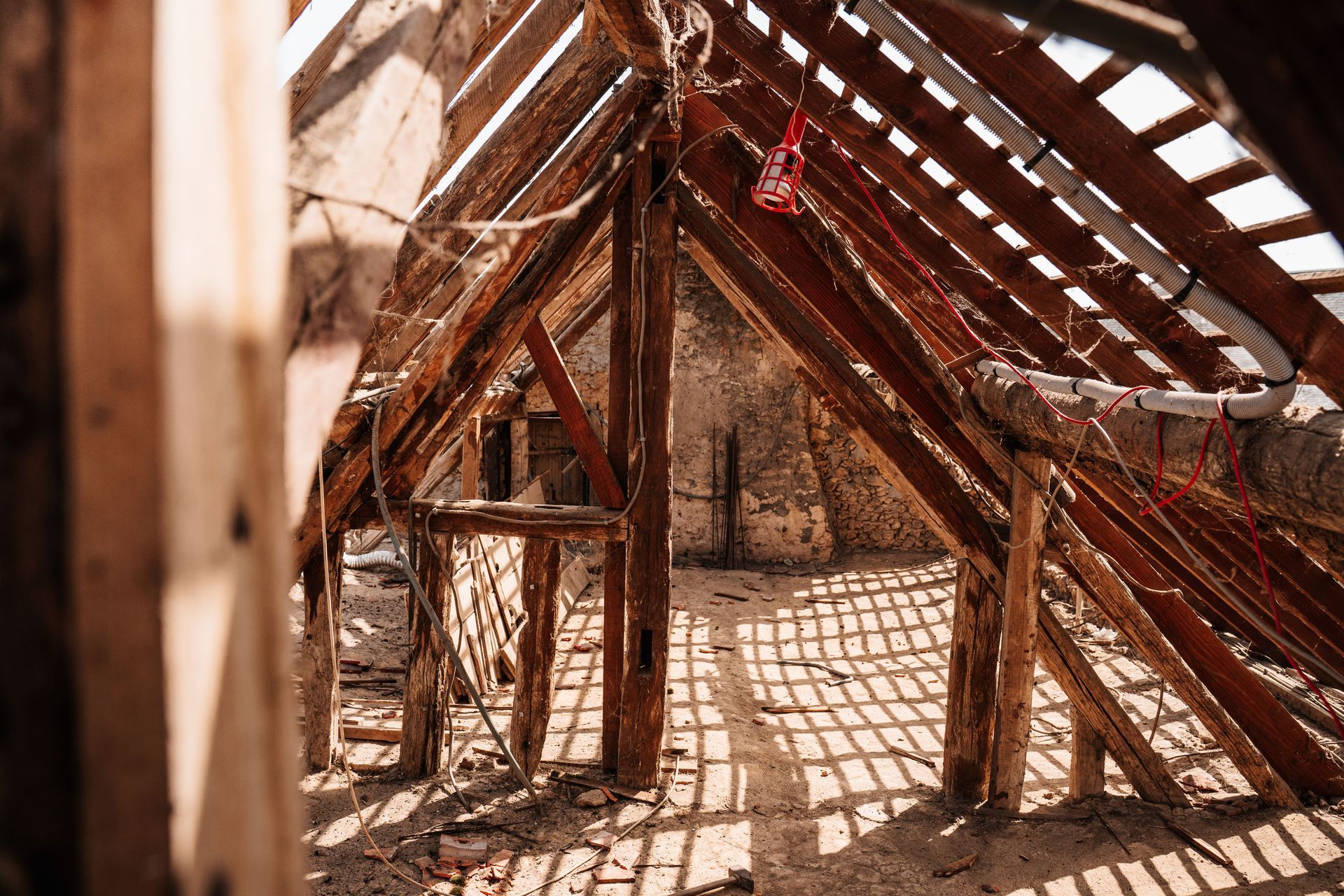
How to Identify Woodworm Species in Ireland
The main woodworm species in Ireland are the Common Furniture Beetle, Deathwatch Beetle, House Longhorn Beetle and Powderpost Beetle. You can usually tell them apart by the size and shape of the exit holes, the texture of the bore dust and the type of timber affected, whether that is pine roof timbers in Dublin or old oak furniture.
This guide explains what each beetle leaves behind, which timbers it prefers, how to tell fresh activity from old damage and why identifying the species matters before any treatment is chosen. If you want to see how we deal with affected timber, our woodworm treatment services page explains the methods we use.
Why the Type of Woodworm Matters
Woodworm is a catch-all name for the larvae of several wood-boring beetles. The adult beetles do little harm themselves. It is the larvae, tunnelling inside the timber for years, that weaken it. Each species has its own preferences for timber type, moisture and age, and that changes both how serious the problem is and what treatment makes sense.
That is why every inspection we carry out starts with identification. Of the woodworm species in Ireland, some attack sound softwood, some need decayed hardwood and some only go for new timber. A neat scatter of small holes in a softwood rafter calls for a different response than larger holes in a damp oak beam, and some old holes need no treatment at all because the beetles left decades ago. You can read more about how infestations develop in our guide to woodworm and how it spreads.
Common Furniture Beetle in Irish Homes
The Common Furniture Beetle (Anobium punctatum) is the best known of the four, and the Property Care Association describes it as the most common wood-destroying insect in UK buildings. Despite the name, the Natural History Museum identification guide notes that it does more damage to structural timber and joinery, such as roof timbers, than to furniture.
How to recognise furniture beetle
- Exit holes are small and round, roughly 1.5 to 2mm across.
- Bore dust feels gritty, like fine sand, and is made of tiny lemon-shaped pellets.
- Timber attacked is the sapwood of both softwoods and hardwoods, along with old plywood made with animal glue.
- Adult beetles are dull reddish to dark brown, only 2.5 to 5mm long, with a humped thorax that hides the head.
The larvae spend around three to five years feeding inside the wood before emerging as adults, mostly in spring and early summer. English Heritage guidance notes that eggs and young larvae do not survive in timber below about 12% moisture content, which is why damp, poorly ventilated spaces are at greater risk. Roof spaces are a classic location, and we cover them in detail in our article on spotting woodworm in attic timbers.
Deathwatch Beetle and Decayed Hardwood
The Deathwatch Beetle (Xestobium rufovillosum) is larger, at around 5 to 9mm long, and dark brown with patches of golden hairs. It is closely linked with older buildings, churches and heritage properties with large oak timbers, because it strongly prefers hardwood that has already been softened by fungal decay. The Property Care Association notes that timber free from decay is rarely, if ever, attacked.
- Exit holes are round and about 3mm across, noticeably bigger than furniture beetle holes.
- Bore dust contains small bun-shaped pellets, a reliable way to tell this species apart.
- Timber attacked is mainly decayed oak and other hardwoods, usually where there has been long-term damp.
The beetle is named after the tapping sound adults make on the timber in spring as part of their courtship. Adults usually emerge from April to June, and the larval stage typically lasts four to five years but can stretch to ten. Because decay drives this species, any treatment has to go hand in hand with finding and fixing the source of moisture.
House Longhorn Beetle and Powderpost Beetle
House Longhorn Beetle
The House Longhorn Beetle (Hylotrupes bajulus) is a large beetle, roughly 15 to 20mm long, whose larvae feed in the sapwood of softwoods, including roof timbers. Its exit holes are oval rather than round, and its tunnels are packed with cylindrical bore dust. It can seriously weaken structural timber, but it is rarely recorded in Britain, where infestations have mostly been confined to parts of Surrey. It can arrive in imported timber or furniture, so oval holes in softwood should always be checked by a specialist.
Powderpost Beetle
Powderpost Beetles (Lyctus species) attack only the starchy sapwood of hardwoods such as oak, ash, elm and sweet chestnut, and only while the timber is unseasoned or recently dried. Old, well-seasoned wood is not affected. The giveaway is very fine, flour-like dust, softer than the gritty dust of furniture beetle, often filling exit holes of about 1.5mm. The life cycle can be completed within a year, with adults emerging between May and September, so activity tends to appear in relatively new hardwood furniture, beams or joinery.
Woodworm Exit Holes and Bore Dust Compared
When you find holes in your timber, a few simple checks will narrow down the likely culprit. Use a good torch and look closely, ideally in spring or summer when adults emerge.
- Measure the holes. Round holes of 1.5 to 2mm point to furniture beetle or powderpost beetle, round holes of around 3mm suggest deathwatch beetle and oval holes suggest house longhorn.
- Rub some dust between your fingers. Gritty dust suggests furniture beetle, bun-shaped pellets point to deathwatch beetle and flour-like powder suggests powderpost beetle.
- Note the timber. Softwood roof timbers suit furniture beetle, decayed oak suits deathwatch beetle and newer hardwood suits powderpost beetle.
- Look for freshness. Sharp-edged holes with pale wood inside and small piles of fresh dust beneath can indicate recent emergence, while dark, dirty holes are often old.
- Check for damp. Staining, musty smells or soft timber point to moisture, which encourages both furniture beetle and deathwatch beetle.
Be careful about drawing firm conclusions on your own. Old bore dust can be shaken out of historic holes by vibration, for example from footsteps on floorboards, and beetles can keep emerging for some time after an infestation has started to die out. A few holes do not always mean an active problem, and a lack of dust does not always mean it has stopped.
Getting Woodworm Species Identified in Dublin
Correctly naming the beetle is the first step towards the right treatment. For an established furniture beetle infestation in roof timbers, we often recommend our high-pressure treatment, which drives the product deep into the timber to reach larvae below the surface. For lighter activity or delicate items, a carefully applied surface treatment may be all that is needed. Where deathwatch beetle is involved, controlling damp is as important as treating the wood.
We are based in Dublin and work with homeowners, landlords and property professionals across the county and nationwide. Our IPCA-certified technicians identify the species, confirm whether activity is current or historic, and explain exactly what needs to be done and why. In many cases we can give a free estimate over the phone once you describe what you have found.
Most woodworm species found in Irish homes can be identified from their exit holes, bore dust and the timber they choose, and the Common Furniture Beetle is the most common of the four. Keeping timber dry and well ventilated is the best long-term prevention, and an accurate diagnosis means you only pay for the treatment you actually need.
If you have found holes or dust in your timber and want to know which beetle is responsible, contact OnGuard Woodworm Services for honest advice and a free estimate. Call us on (01) 503 7787 or email info@onguardwoodwormservices.ie.


