
Woodworm in Floorboards and Joists in Dublin Homes
Woodworm in Floorboards and What It Means for Your Home
Woodworm in floorboards shows up as small round exit holes, fine powdery dust and boards that feel soft or crumble at the edges. Ground floors with a ventilated void beneath are most at risk because the timber can pick up moisture. In Dublin homes, the joists underneath should always be checked before you decide on treatment.
Below we explain why floors attract wood-boring beetles, how to read the signs above and below the boards, when joists become a structural concern, how we treat a floor and what affects the cost.
Why Floorboards and Joists Attract Woodworm
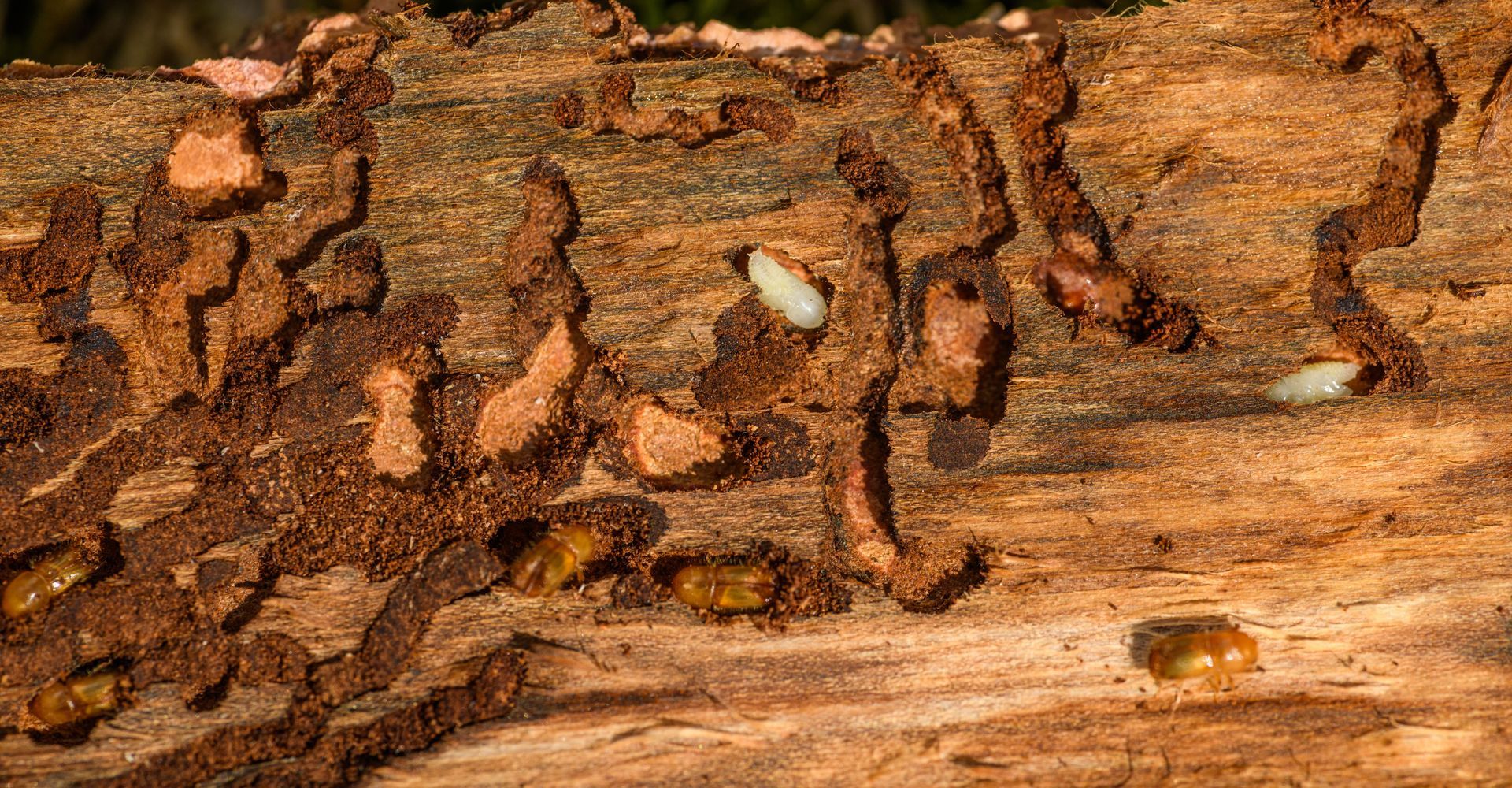
Woodworm is the larval stage of wood-boring beetles. The adult beetle lays eggs in cracks, joints and old exit holes in untreated timber, and the larvae then tunnel through the wood for several years before emerging as adults. Softwood floorboards and joists, especially the paler outer sapwood, are an easy food source.
Moisture makes things worse. Timber that stays slightly damp is softer and more attractive to egg-laying beetles, and many older houses in Dublin have suspended timber ground floors sitting over a shallow void. When airbricks are blocked by raised paths, extensions or debris, air stops moving under the floor and the joists and boards stay damper than they should.
The areas we find affected most often are:
- Ground-floor rooms in Victorian and Edwardian terraces with original pine boards
- Hallways and under-stairs cupboards where air rarely circulates
- Bathrooms and kitchens where a slow leak has soaked into the boards or joists
- Joist ends that sit in or against external walls, where damp can wick into the timber
- Rooms where carpet, laminate or vinyl has hidden the boards for many years
Upper floors can be affected too, usually where an infestation has spread from the roof space. Our article on spotting woodworm in attic timbers covers what to look for higher up in the house.
Signs of Woodworm in Floorboards
Most homeowners first notice the problem when they lift a carpet, sand a floor or replace a threshold. Because floor coverings hide the boards so well, an infestation can be active for years before anyone sees it. These are the signs to look for:
- Exit holes , usually round and around 1 to 2mm across, scattered across the boards or grouped along edges and joints
- Bore dust , also called frass, a fine gritty powder that collects below holes, in gaps between boards or along skirting boards
- Crumbling board edges and tongues that break away when a board is lifted
- Soft or springy spots underfoot, or boards that dip when you walk across them
- Small beetles near windows or on sills, most often from late spring into summer
The most common culprit in Irish floors is the Common Furniture Beetle, although other species do turn up. Identifying the species matters because it affects how far the damage may run, so we always confirm it during the inspection rather than guessing from a photo.
Telling active woodworm from old damage
Not every hole means you have a live problem. Fresh holes have clean, pale edges and the wood inside looks bright, while old holes tend to be dark, dirty or filled with polish or paint. Fresh bore dust is light in colour and builds up again after you clean it away. If the dust returns after a few weeks, the activity is almost certainly current.
Woodworm in Floor Joists and the Structural Risk
Floorboards are only part of the picture. The joists below carry the weight of the floor, the furniture and everyone walking on it, and they are often in a damper position than the boards themselves. Larvae tunnel inside the timber, so a joist can look sound on the surface while the inside has been weakened.
We check joists by lifting a selection of boards or working through any existing access hatch. We look closely at the bearing ends where joists meet the walls, probe the timber for softness and check whether the damage is surface level or runs deeper. Where a joist has lost too much strength to be kept, we will tell you plainly so that it can be repaired or replaced before treatment goes ahead.
A floor that bounces, cracks along a ceiling below or has started to slope is a reason to arrange an inspection promptly rather than waiting. Treating woodworm in floor joists early usually means more of the original timber can be saved.
How to Treat Woodworm in Floorboards Properly
Off-the-shelf sprays only reach the surface of the boards and never get to the undersides or the joists, which is where much of the activity sits. Our professional woodworm treatment is designed to reach the larvae inside the timber. A typical floor treatment follows these steps:
- We inspect the floor, identify the species and confirm whether the activity is current or historic
- We lift boards at intervals so that the void, joists and board undersides can be reached
- We clear dust and debris so the treatment can soak into the timber rather than sit on top
- We treat the joists and the underside of the boards using our high-pressure system, which drives the product deep into the wood
- We apply a surface treatment to the top of the boards where needed
- We relay the boards and explain any moisture or ventilation issues that should be fixed
We use professional water-based products that are suitable for occupied homes once the treatment is complete. We also advise you on preparing the room beforehand, such as clearing furniture and lifting floor coverings, so the work runs smoothly and with as little disruption as possible.
You can read more about the beetles themselves and the damage they cause on our woodworm information page.
What affects the cost of treating a floor
Every floor is different, so we price each job on what it actually needs. The main factors are:
- The floor area and the number of rooms involved
- Whether carpet, laminate, vinyl or fitted units need to be lifted or moved first
- How easy it is to get into the void beneath the boards
- How far the infestation has spread into the joists
- Whether any timber needs repair or replacement before treatment
In many cases we can give a free estimate over the phone once you have described what you are seeing. An inspection then confirms the extent of the problem, so you only pay for the treatment the floor genuinely needs.
Preventing Woodworm Under Your Floors
Treatment protects the timber, but keeping the floor void dry and ventilated is what keeps the risk low over the long term. Early November is a good time to check, because heating comes on, windows stay closed and condensation increases indoors.
- Keep airbricks and vents clear of soil, paving, plant pots and debris
- Fix leaking pipes, radiators and shower trays quickly so water does not soak into boards and joists
- Avoid blocking under-floor ventilation when you add insulation or build an extension
- Lift a corner of the carpet once a year in quieter rooms and look for fresh holes or dust
- Keep stored timber, old furniture and boxes out of damp under-stairs spaces
Protecting Your Floors in Dublin
Woodworm in floorboards is rarely a disaster when it is found early, but leaving it allows the larvae to work their way into the joists that hold the floor up. If you have spotted holes, dust or soft boards in a Dublin home, a proper inspection will tell you whether the activity is live and exactly what the timber needs.
To arrange an inspection or a free estimate, contact OnGuard Woodworm Services. You can call us on (01) 503 7787 or email info@onguardwoodwormservices.ie and we will be happy to talk you through the next steps.
Woodworm in Floorboards and What It Means for Your Home
Woodworm in floorboards shows up as small round exit holes, fine powdery dust and boards that feel soft or crumble at the edges. Ground floors with a ventilated void beneath are most at risk because the timber can pick up moisture. In Dublin homes, the joists underneath should always be checked before you decide on treatment.
Below we explain why floors attract wood-boring beetles, how to read the signs above and below the boards, when joists become a structural concern, how we treat a floor and what affects the cost.
Why Floorboards and Joists Attract Woodworm
Woodworm is the larval stage of wood-boring beetles. The adult beetle lays eggs in cracks, joints and old exit holes in untreated timber, and the larvae then tunnel through the wood for several years before emerging as adults. Softwood floorboards and joists, especially the paler outer sapwood, are an easy food source.
Moisture makes things worse. Timber that stays slightly damp is softer and more attractive to egg-laying beetles, and many older houses in Dublin have suspended timber ground floors sitting over a shallow void. When airbricks are blocked by raised paths, extensions or debris, air stops moving under the floor and the joists and boards stay damper than they should.
The areas we find affected most often are:
- Ground-floor rooms in Victorian and Edwardian terraces with original pine boards
- Hallways and under-stairs cupboards where air rarely circulates
- Bathrooms and kitchens where a slow leak has soaked into the boards or joists
- Joist ends that sit in or against external walls, where damp can wick into the timber
- Rooms where carpet, laminate or vinyl has hidden the boards for many years
Upper floors can be affected too, usually where an infestation has spread from the roof space. Our article on spotting woodworm in attic timbers covers what to look for higher up in the house.
Signs of Woodworm in Floorboards
Most homeowners first notice the problem when they lift a carpet, sand a floor or replace a threshold. Because floor coverings hide the boards so well, an infestation can be active for years before anyone sees it. These are the signs to look for:
- Exit holes , usually round and around 1 to 2mm across, scattered across the boards or grouped along edges and joints
- Bore dust , also called frass, a fine gritty powder that collects below holes, in gaps between boards or along skirting boards
- Crumbling board edges and tongues that break away when a board is lifted
- Soft or springy spots underfoot, or boards that dip when you walk across them
- Small beetles near windows or on sills, most often from late spring into summer
The most common culprit in Irish floors is the Common Furniture Beetle, although other species do turn up. Identifying the species matters because it affects how far the damage may run, so we always confirm it during the inspection rather than guessing from a photo.
Telling active woodworm from old damage
Not every hole means you have a live problem. Fresh holes have clean, pale edges and the wood inside looks bright, while old holes tend to be dark, dirty or filled with polish or paint. Fresh bore dust is light in colour and builds up again after you clean it away. If the dust returns after a few weeks, the activity is almost certainly current.
Woodworm in Floor Joists and the Structural Risk
Floorboards are only part of the picture. The joists below carry the weight of the floor, the furniture and everyone walking on it, and they are often in a damper position than the boards themselves. Larvae tunnel inside the timber, so a joist can look sound on the surface while the inside has been weakened.
We check joists by lifting a selection of boards or working through any existing access hatch. We look closely at the bearing ends where joists meet the walls, probe the timber for softness and check whether the damage is surface level or runs deeper. Where a joist has lost too much strength to be kept, we will tell you plainly so that it can be repaired or replaced before treatment goes ahead.
A floor that bounces, cracks along a ceiling below or has started to slope is a reason to arrange an inspection promptly rather than waiting. Treating woodworm in floor joists early usually means more of the original timber can be saved.
How to Treat Woodworm in Floorboards Properly
Off-the-shelf sprays only reach the surface of the boards and never get to the undersides or the joists, which is where much of the activity sits. Our professional woodworm treatment is designed to reach the larvae inside the timber. A typical floor treatment follows these steps:
- We inspect the floor, identify the species and confirm whether the activity is current or historic
- We lift boards at intervals so that the void, joists and board undersides can be reached
- We clear dust and debris so the treatment can soak into the timber rather than sit on top
- We treat the joists and the underside of the boards using our high-pressure system, which drives the product deep into the wood
- We apply a surface treatment to the top of the boards where needed
- We relay the boards and explain any moisture or ventilation issues that should be fixed
We use professional water-based products that are suitable for occupied homes once the treatment is complete. We also advise you on preparing the room beforehand, such as clearing furniture and lifting floor coverings, so the work runs smoothly and with as little disruption as possible.
You can read more about the beetles themselves and the damage they cause on our woodworm information page.
What affects the cost of treating a floor
Every floor is different, so we price each job on what it actually needs. The main factors are:
- The floor area and the number of rooms involved
- Whether carpet, laminate, vinyl or fitted units need to be lifted or moved first
- How easy it is to get into the void beneath the boards
- How far the infestation has spread into the joists
- Whether any timber needs repair or replacement before treatment
In many cases we can give a free estimate over the phone once you have described what you are seeing. An inspection then confirms the extent of the problem, so you only pay for the treatment the floor genuinely needs.
Preventing Woodworm Under Your Floors
Treatment protects the timber, but keeping the floor void dry and ventilated is what keeps the risk low over the long term. Early November is a good time to check, because heating comes on, windows stay closed and condensation increases indoors.
- Keep airbricks and vents clear of soil, paving, plant pots and debris
- Fix leaking pipes, radiators and shower trays quickly so water does not soak into boards and joists
- Avoid blocking under-floor ventilation when you add insulation or build an extension
- Lift a corner of the carpet once a year in quieter rooms and look for fresh holes or dust
- Keep stored timber, old furniture and boxes out of damp under-stairs spaces
Protecting Your Floors in Dublin
Woodworm in floorboards is rarely a disaster when it is found early, but leaving it allows the larvae to work their way into the joists that hold the floor up. If you have spotted holes, dust or soft boards in a Dublin home, a proper inspection will tell you whether the activity is live and exactly what the timber needs.
To arrange an inspection or a free estimate, contact OnGuard Woodworm Services. You can call us on (01) 503 7787 or email info@onguardwoodwormservices.ie and we will be happy to talk you through the next steps.


